Important Dates
Early Bird Registration :21st July 2026
Paper Submission Deadline :26th July 2026
Last Date of Registration : 5th August 2026
Date of Conference : 20th - 21st August 2026
helpdesk@apste.net
Aligned with
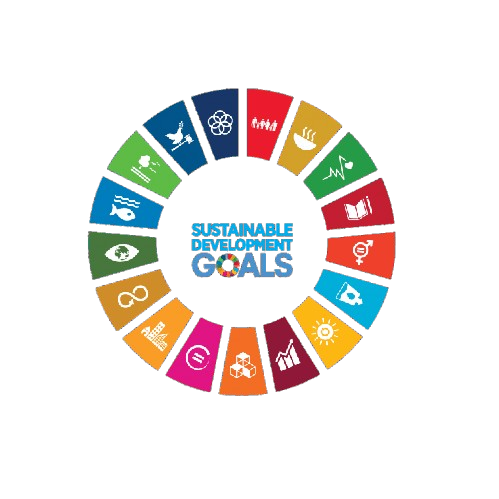
This conference contributes to global sustainability by aligning its research discussions and academic sessions with key United Nations Sustainable Development Goals.
 SDG 1 — No Poverty
 SDG 6 — Clean Water and Sanitation
 SDG 8 — Decent Work and Economic Growth
 SDG 9 — Industry, Innovation and Infrastructure
 SDG 11 — Sustainable Cities and Communities
 SDG 12 — Responsible Consumption and Production
 SDG 13 — Climate Action
 SDG 14 — Life Below Water
 SDG 15 — Life on Land
This track will explore the ecological consequences of rising sea levels on coastal habitats, including wetlands and estuaries. Researchers will present findings on biodiversity loss and shifts in species distributions due to changing salinity and habitat availability.
This session will focus on methodologies for assessing the risks associated with coastal flooding in the context of climate change. Papers will discuss innovative management strategies and policy frameworks aimed at mitigating flood impacts on vulnerable communities.
This track will examine the processes driving shoreline retreat, including natural and anthropogenic factors. Presentations will highlight case studies that illustrate the socio-economic implications of erosion on coastal populations.
This session will investigate the mechanisms behind saltwater intrusion into freshwater aquifers and its implications for water security. Researchers will discuss potential mitigation strategies to protect coastal freshwater resources.
This track will cover advanced monitoring and modeling techniques used to assess coastal erosion dynamics. Participants will share innovative approaches to predict erosion patterns and inform coastal management practices.
This session will address the vulnerabilities of coastal infrastructure to climate change impacts, including sea level rise and extreme weather events. Papers will explore resilience-building strategies and the integration of climate considerations in infrastructure planning.
This track will focus on the development and application of hazard mapping techniques to identify areas at risk from coastal hazards. Researchers will present tools and frameworks that enhance understanding of vulnerability in coastal regions.
This session will explore the effects of climate change on marine ecosystems, including shifts in species distributions and changes in ocean chemistry. Presentations will highlight the implications for fisheries and marine biodiversity.
This track will investigate the effects of changing tidal patterns due to sea level rise and climate variability. Researchers will discuss the implications for coastal ecosystems and human activities reliant on tidal dynamics.
This session will focus on the prediction models for storm surges and their role in coastal preparedness. Papers will discuss the integration of scientific research into emergency response planning and community resilience.
This track will examine strategies for enhancing resilience in coastal communities facing climate change challenges. Presentations will highlight best practices in sustainable coastal development and community engagement in resilience planning.
Early Bird Registration :21st July 2026
Paper Submission Deadline :26th July 2026
Last Date of Registration : 5th August 2026
Date of Conference : 20th - 21st August 2026
APSTE ensures that research and publication processes continue without interruption in the current global situation. Participants can present their work through digital and integrated formats.
Close button will appear in 20s...