Important Dates
Early Bird Registration :23rd September 2026
Paper Submission Deadline :28th September 2026
Last Date of Registration : 8th October 2026
Date of Conference : 23rd - 24th October 2026
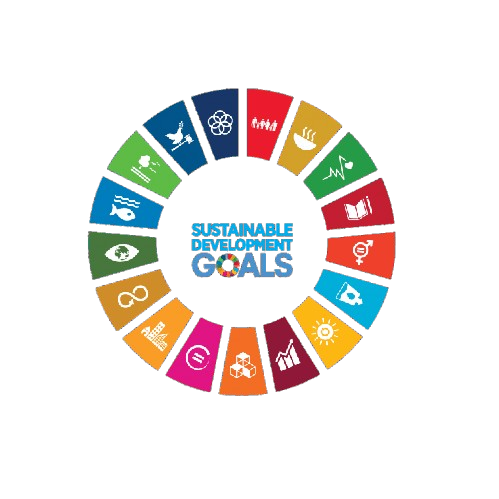
Aligned with
This conference contributes to global sustainability by aligning its research discussions and academic sessions with key United Nations Sustainable Development Goals.
 SDG 1 — No Poverty
 SDG 2 — Zero Hunger
 SDG 4 — Quality Education
 SDG 8 — Decent Work and Economic Growth
 SDG 9 — Industry, Innovation and Infrastructure
 SDG 10 — Reduced Inequalities
 SDG 13 — Climate Action
 SDG 16 — Peace, Justice and Strong Institutions
 SDG 17 — Partnerships for the Goals
This track explores the foundational principles of Islamic economics and their practical applications in contemporary financial systems. It aims to analyze how these principles can be integrated into modern economic policies and practices.
This session focuses on the frameworks and challenges of ensuring Sharia compliance within financial institutions. Participants will discuss best practices and regulatory measures that promote ethical banking aligned with Islamic law.
This track examines the role of Islamic finance in fostering economic development in various regions. It highlights case studies and strategies that demonstrate the impact of Sharia-compliant financial products on community growth.
This session investigates the intersection of globalization and Islamic trade practices, focusing on how global markets can adapt to Islamic economic principles. Discussions will include the implications for international trade and business ethics.
This track delves into the influence of Islamic law on economic policy formulation and implementation. It seeks to understand how Sharia principles can guide policymakers in creating equitable economic systems.
This session addresses the ethical dimensions of business practices within the Islamic finance sector. Participants will explore the moral obligations of financial institutions to uphold integrity and social responsibility.
This track highlights recent innovations in Islamic banking, including fintech solutions and digital banking initiatives. It aims to assess how these innovations align with Sharia principles and enhance financial inclusion.
This session focuses on the significance of Islamic microfinance in promoting entrepreneurship and alleviating poverty. It will explore models and success stories that illustrate the effectiveness of microfinance in Muslim communities.
This track invites discussions on how Islamic economics is perceived and practiced across different cultures. It aims to foster dialogue on the adaptability of Islamic economic principles in diverse socio-economic contexts.
This session examines the potential of Islamic finance to contribute to sustainable development goals. It will explore frameworks that integrate environmental, social, and governance (ESG) criteria within Islamic financial practices.
This track addresses the current challenges facing the Islamic finance industry, including regulatory hurdles and market competition. It will also explore emerging opportunities for growth and innovation in this sector.
Early Bird Registration :23rd September 2026
Paper Submission Deadline :28th September 2026
Last Date of Registration : 8th October 2026
Date of Conference : 23rd - 24th October 2026
APSTE ensures that research and publication processes continue without interruption in the current global situation. Participants can present their work through digital and integrated formats.
Close button will appear in 20s...