Important Dates
Early Bird Registration :11th November 2026
Paper Submission Deadline :16th November 2026
Last Date of Registration : 26th November 2026
Date of Conference : 11th - 12th December 2026
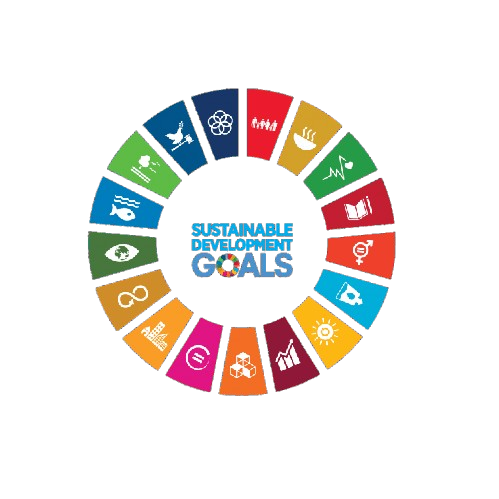
Aligned with
This conference contributes to global sustainability by aligning its research discussions and academic sessions with key United Nations Sustainable Development Goals.
 SDG 3 — Good Health and Well-being
 SDG 4 — Quality Education
 SDG 9 — Industry, Innovation and Infrastructure
 SDG 12 — Responsible Consumption and Production
 SDG 13 — Climate Action
 SDG 14 — Life Below Water
 SDG 15 — Life on Land
 SDG 16 — Peace, Justice and Strong Institutions
 SDG 17 — Partnerships for the Goals
This session will explore the intricate molecular pathways involved in cellular toxicity due to environmental pollutants. Emphasis will be placed on understanding the biochemical interactions that lead to adverse health effects.
This track will focus on the impact of environmental stressors on ecosystems and the organisms within them. Presentations will highlight case studies and research on pollutant interactions and their ecological consequences.
This session will delve into the field of toxicogenomics, examining how chemical exposures alter gene expression profiles. Researchers will present findings on molecular biomarkers that indicate toxicological responses.
This track will investigate the cellular mechanisms that organisms employ to defend against toxic chemical exposures. Discussions will include adaptive responses and the role of molecular assays in assessing these defense strategies.
This session will cover the principles of toxicokinetics, focusing on how pollutants are absorbed, distributed, metabolized, and excreted by living organisms. Presentations will highlight the implications of these processes for risk evaluation.
This track will address the phenomenon of bioaccumulation of toxic substances in organisms and its broader ecological implications. Researchers will share insights into the long-term effects of accumulated toxins on food webs.
This session will explore how organisms adapt at the molecular level to cope with environmental pollutants. Studies presented will focus on genetic and epigenetic changes that facilitate survival in contaminated environments.
This track will provide a platform for discussing methodologies and frameworks for risk assessment in environmental toxicology. Presentations will cover case studies that illustrate the application of risk evaluation in various contexts.
This session will investigate the cellular mechanisms that mediate toxicity and the associated stress response pathways. Researchers will present findings on how cells recognize and respond to toxic insults.
This track will focus on the interactions between multiple contaminants and their combined effects on biological systems. Presentations will highlight research on synergistic toxicity and its implications for environmental health.
This session will showcase innovative molecular assays used in the assessment of toxicity and environmental impacts. Discussions will include advancements in technology and their application in regulatory frameworks.
Early Bird Registration :11th November 2026
Paper Submission Deadline :16th November 2026
Last Date of Registration : 26th November 2026
Date of Conference : 11th - 12th December 2026
APSTE ensures that research and publication processes continue without interruption in the current global situation. Participants can present their work through digital and integrated formats.
Close button will appear in 20s...