Important Dates
Early Bird Registration :26th April 2027
Paper Submission Deadline :1st May 2027
Last Date of Registration : 11th May 2027
Date of Conference : 26th - 27th May 2027
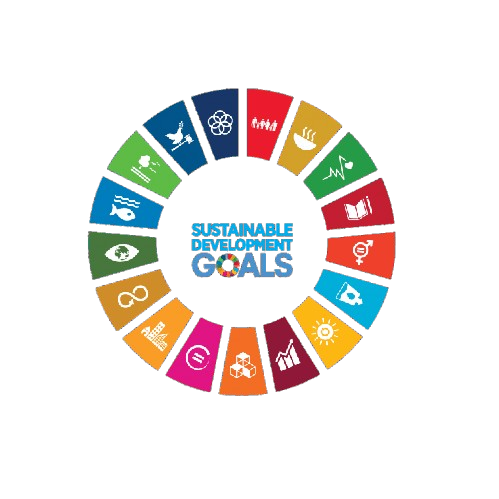
Aligned with
This conference contributes to global sustainability by aligning its research discussions and academic sessions with key United Nations Sustainable Development Goals.
 SDG 3 — Good Health and Well-being
 SDG 6 — Clean Water and Sanitation
 SDG 11 — Sustainable Cities and Communities
 SDG 12 — Responsible Consumption and Production
 SDG 14 — Life Below Water
 SDG 15 — Life on Land
 SDG 16 — Peace, Justice and Strong Institutions
 SDG 17 — Partnerships for the Goals
This session will explore the chemical mechanisms through which plastic-derived toxins are released into marine environments. Emphasis will be placed on understanding the degradation processes and their implications for marine life.
This track focuses on the impact of microplastics on aquatic ecosystems, examining their effects on biodiversity and ecosystem health. Researchers will present findings on the interactions between microplastics and marine organisms.
This session will highlight advanced methodologies for the chemical analysis of pollutants in marine environments. Participants will discuss innovative techniques for detecting and quantifying plastic-derived toxins.
This track will delve into the toxicological effects of various contaminants, including plastic-derived toxins, on marine organisms. Studies will address the mechanisms of toxicity and potential health risks to marine life.
This session will focus on the latest advancements in environmental monitoring techniques for assessing chemical pollution in marine ecosystems. Researchers will share insights on data collection and analysis for effective pollution management.
This track will investigate the processes of polymer degradation in marine settings, including factors influencing degradation rates. Presentations will cover both natural and anthropogenic influences on polymer breakdown.
This session will explore the transport mechanisms of various aquatic contaminants, including plastic-derived toxins, within marine environments. Discussions will focus on modeling pollutant transport and its ecological implications.
This track will examine the chemical interactions between pollutants and marine organisms, highlighting the complexities of these relationships. Researchers will present studies on how these interactions affect ecosystem dynamics.
This session will address the impact of plastic toxins on marine biodiversity, focusing on species vulnerability and ecosystem resilience. Presentations will include case studies and assessments of ecological consequences.
This track will showcase innovative research approaches in marine chemistry, particularly related to plastic-derived toxins. Participants will discuss novel findings and their implications for environmental sustainability.
This session will focus on policy and management strategies aimed at mitigating marine pollution from plastic-derived toxins. Experts will discuss regulatory frameworks and best practices for sustainable marine resource management.
Early Bird Registration :26th April 2027
Paper Submission Deadline :1st May 2027
Last Date of Registration : 11th May 2027
Date of Conference : 26th - 27th May 2027